The benefits of the “beneficio”

For anyone involved in the Port industry, when the “beneficio” is issued we all pay attention. This quota, which affects not only the Port business but also the dry wine business in Douro Valley, is the right to produce X amount of must per hectare of vineyard to make Port, and is controlled by the Instituto dos Vinhos do Douro e do Porto, or IVDP. 

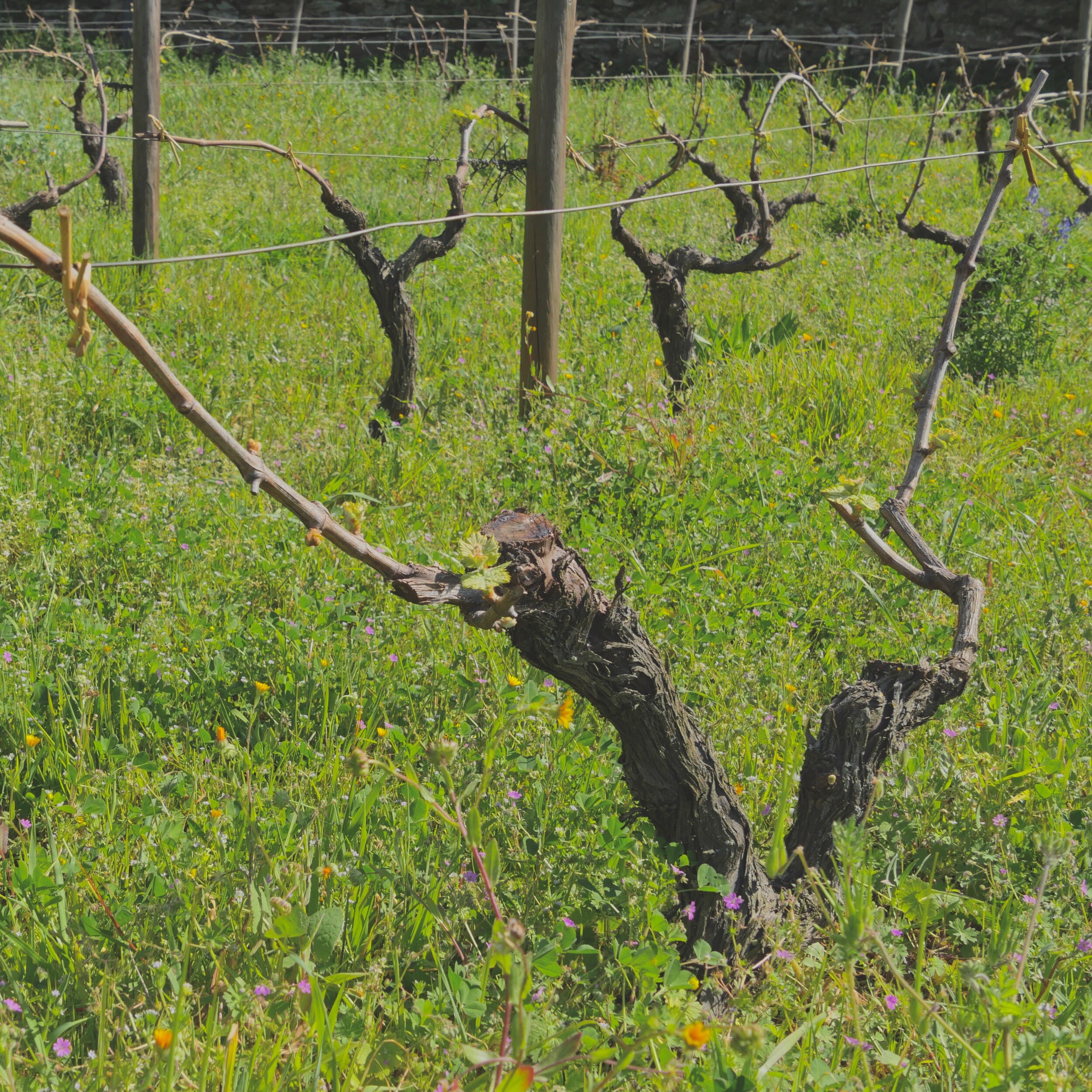
The beneficio fluctuates every year depending on the quality of the grapes, the market demand and the actual stock of Port on the market before harvest. Announced in August before the harvest, the higher scoring vineyards A and B (the ranking goes down to I) receive higher quotas. Of note, Quinta do Tedo is proudly ranked A; A and B vineyards make up only 2.5% of all vineyards in Douro Valley.


The 2021 beneficio, released this August!

The 2021 beneficio, released this August!

This quota limits each vineyard owner to how much of their crop can be used to make Port, which in turn allows the producer to purchase the government-controlled amount of aguardente or neutral grape brandy to fortify the Port for the year. As “hyper-controlled” as this sounds in today’s free-market world, the beneficio succeeds in regulating the Port market.

So why does this matter to Douro dry wine producers? Producers are legally limited by the Douro appellation to produce 5,500 litres of must* per hectare, or 3.25 tons per acre (as compared to 4,300 – 6,800 litres/hectare or 2.5 – 4 tons/acre in Napa Valley, or 4,500 litres/hectare or 2.7 tons/acre in Burgundy). *Must is the juice pressed from grapes before fermentation starts. 

Tour Guided Tiago loves helping out during harvest - here he is spreads the freshly harvested Port grapes out into our lagares to later foot-tread!

Tour Guided Tiago loves helping out during harvest - here he is spreads the freshly harvested Port grapes out into our lagares to later foot-tread!

At Quinta do Tedo, known principally for our internationally-acclaimed Ports, our vineyards produce about 3,500 litres/hectare, lower than average production for Douro Valley and other famous wine regions. In 1997, our beneficio was 2,982 liters/hectare; in 2021 it is 1,890 liters/hectare.

What to do with the 1,610 liters/hectare extra this year? Douro dry wine!!! We started to sell our Douro dry wines in 1999. Today, our Douro dry wines make up 32% of our production, in line with other Port AND Douro dry wine producers in our region. And the grape varieties for Porto make beautiful Douro dry wines – Red and Rosé at Quinta do Tedo! 
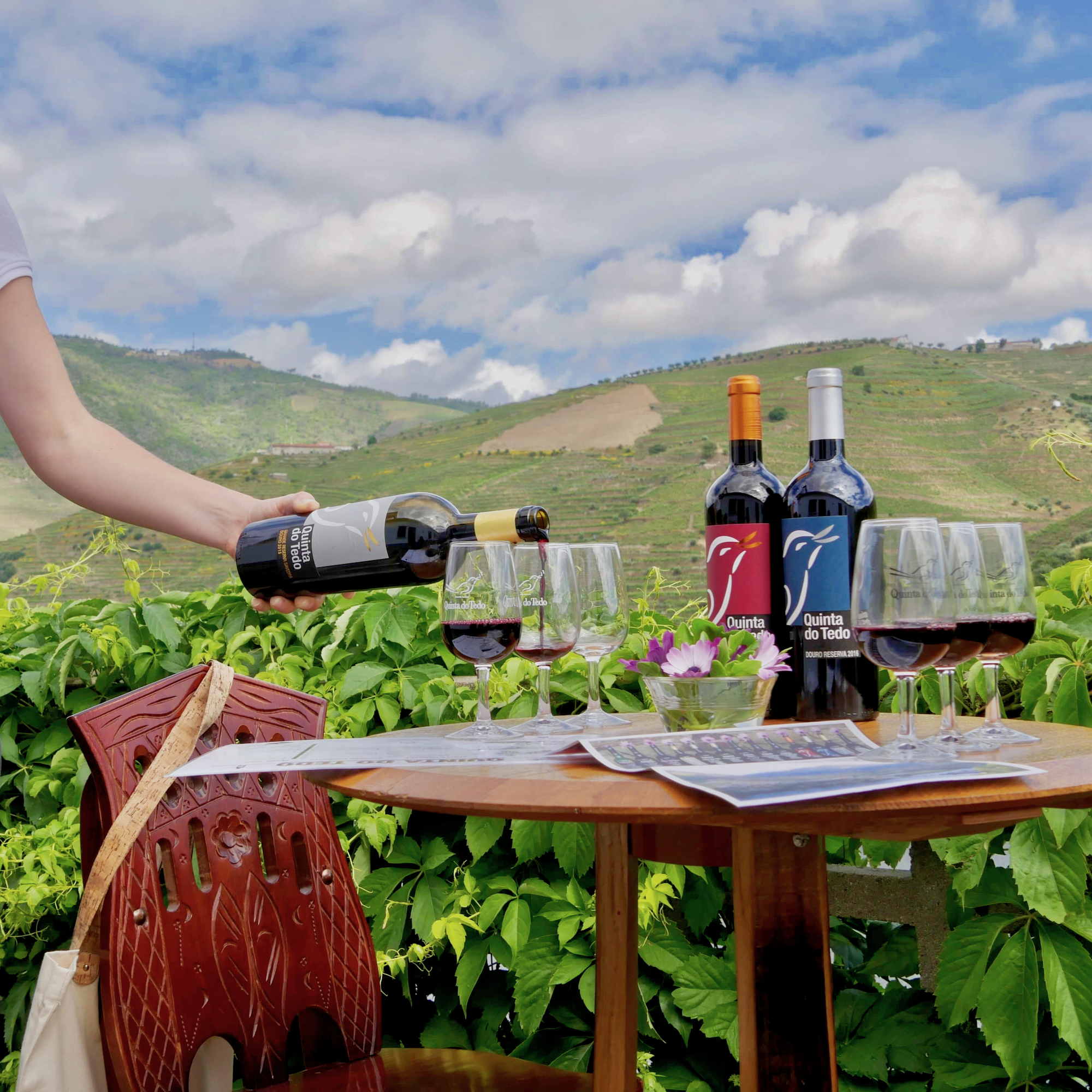
In the last 20+ years, many small producers who, in the past, sold grapes to large negociant Port Houses that controlled the export market, decided to go on their own to make Douro dry wine that is less regulated, requires a smaller initial investment and can be sold without many years of ageing. Today, even the large producers and negociants produce an equally important amount of Port and Douro dry wine. 

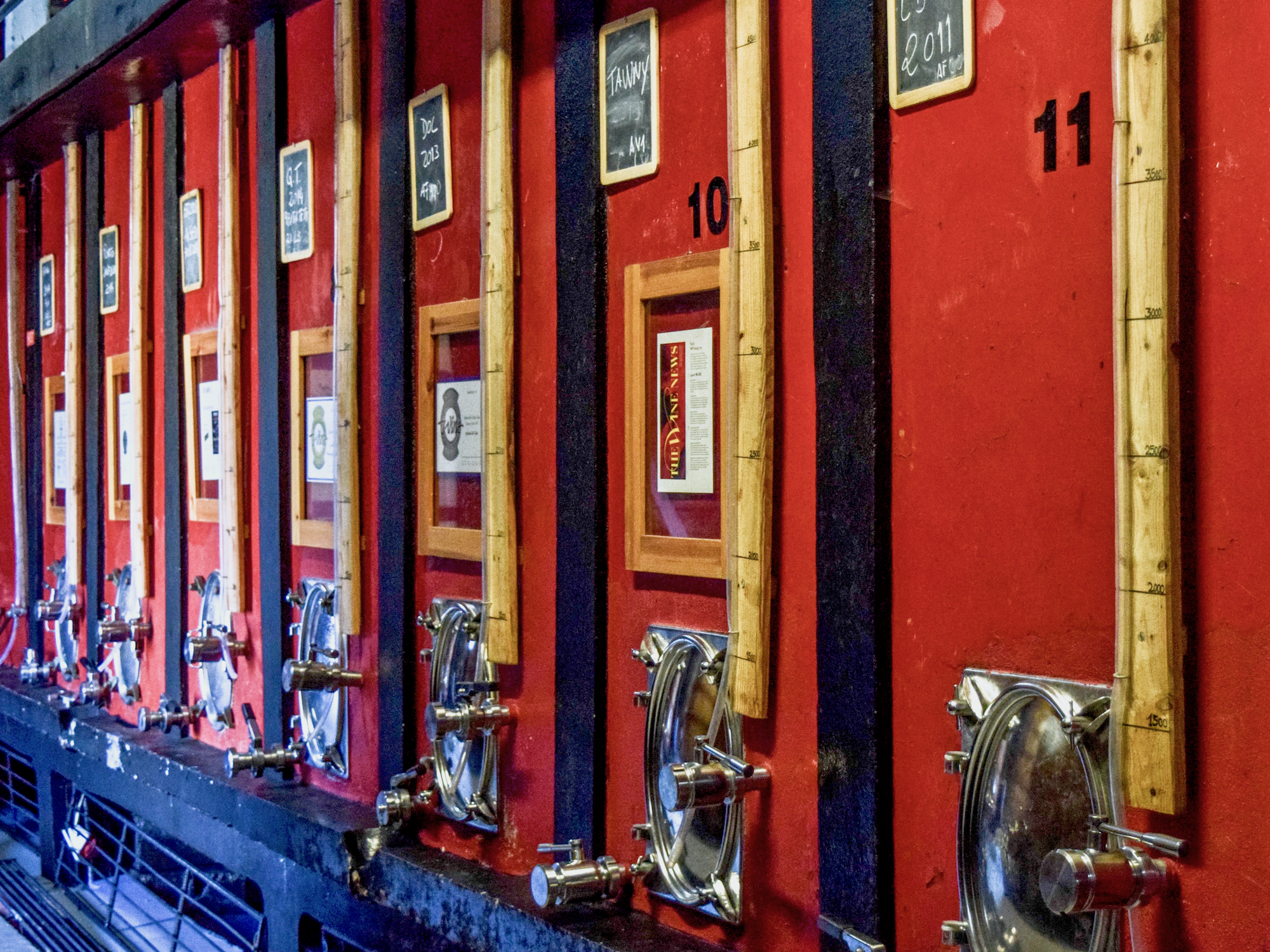
To be a Port producer the investment is big and the return is long term. By law, a minimum number of hectares of vineyards is required, as well as an ageing cellar and room to store 550-litre pipas (barrels), and larger balseiros (upright tanks), not to mention the expensive aguardente used to fortify the partially-fermented must to then age it for at least 3 years for a young Ruby or 7 – 10 – 20 – 30 years or more for aged Ports and Tawnies! Plus, Port producers are required to have a minimum of 3 years worth of stock in the cellar at all times. 
READY, SET, HARVEST!

READY, SET, HARVEST!

Daughter Odile, who graduated with a Masters in Wine Tourism in 2020, believes that “the incrementally decreasing beneficio allowances and growing wine tourism trends and international interest in Portuguese dry wines have pushed Douro's Quintas to produce and sell higher quality Douro dry wines and not just Port. This also helps diversify the region's economy and open up doors for smaller producers to build their brands and reshape a more sustainable image of Douro as a quality Port AND Douro dry wine region”. 

Port will always be the glory of Portugal, a unique product that hails only from Douro Valley, the world’s first demarcated and controlled wine region. Both Port and Douro dry wines make this region all the more renowned. We are honoured to be a part of this evolution at Quinta do Tedo!

For this 2021 harvest (which kicked off TODAY!), the IVDP has determined that 104,000 pipas of must will be made; to calculate how much Port this translates into, consider 28% of aguardente will be added to fortify the must, so a total of 133,120 pipas or 97,621,333 bottles of finished Port will be made!

Cocktails de Porto tout au long de l'été !

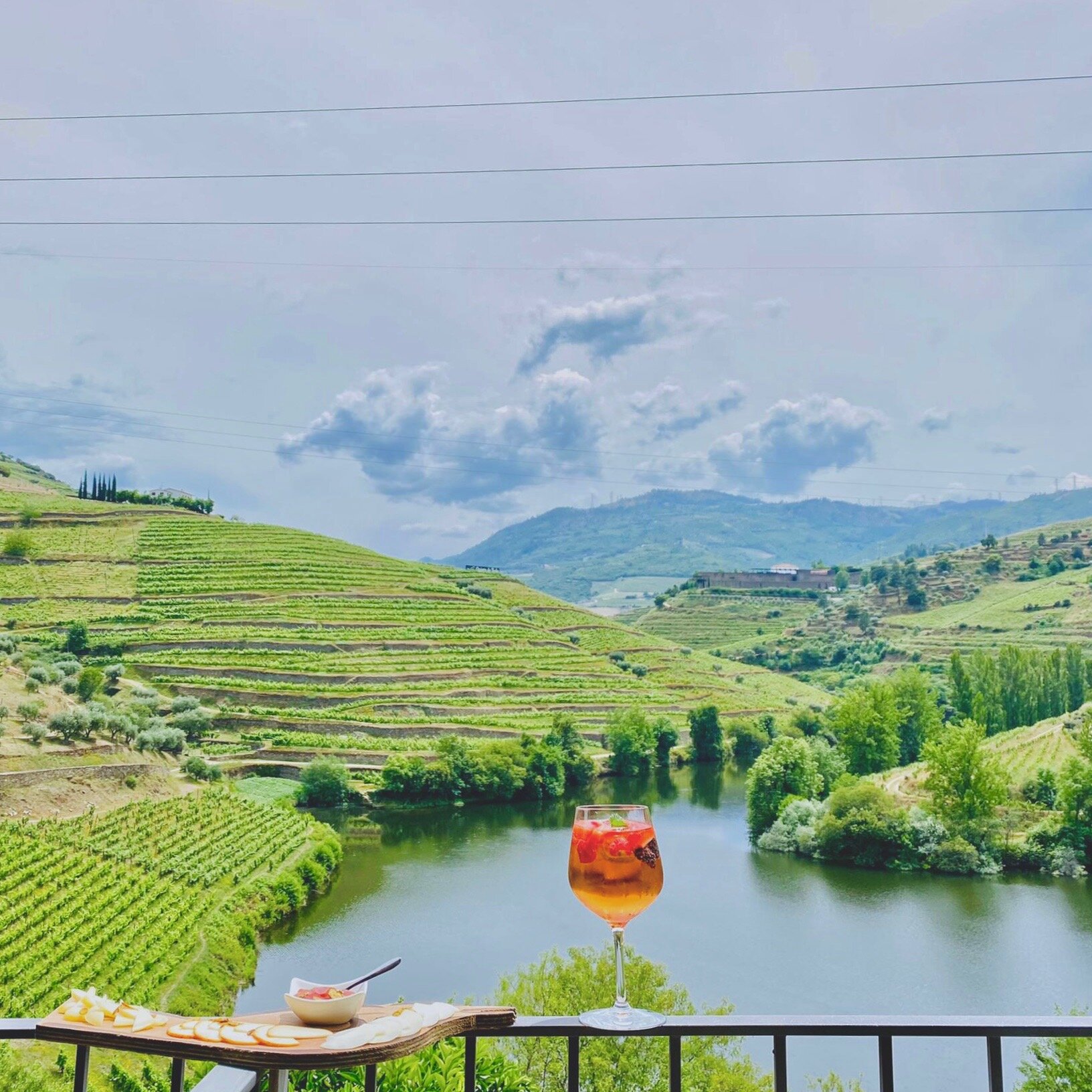
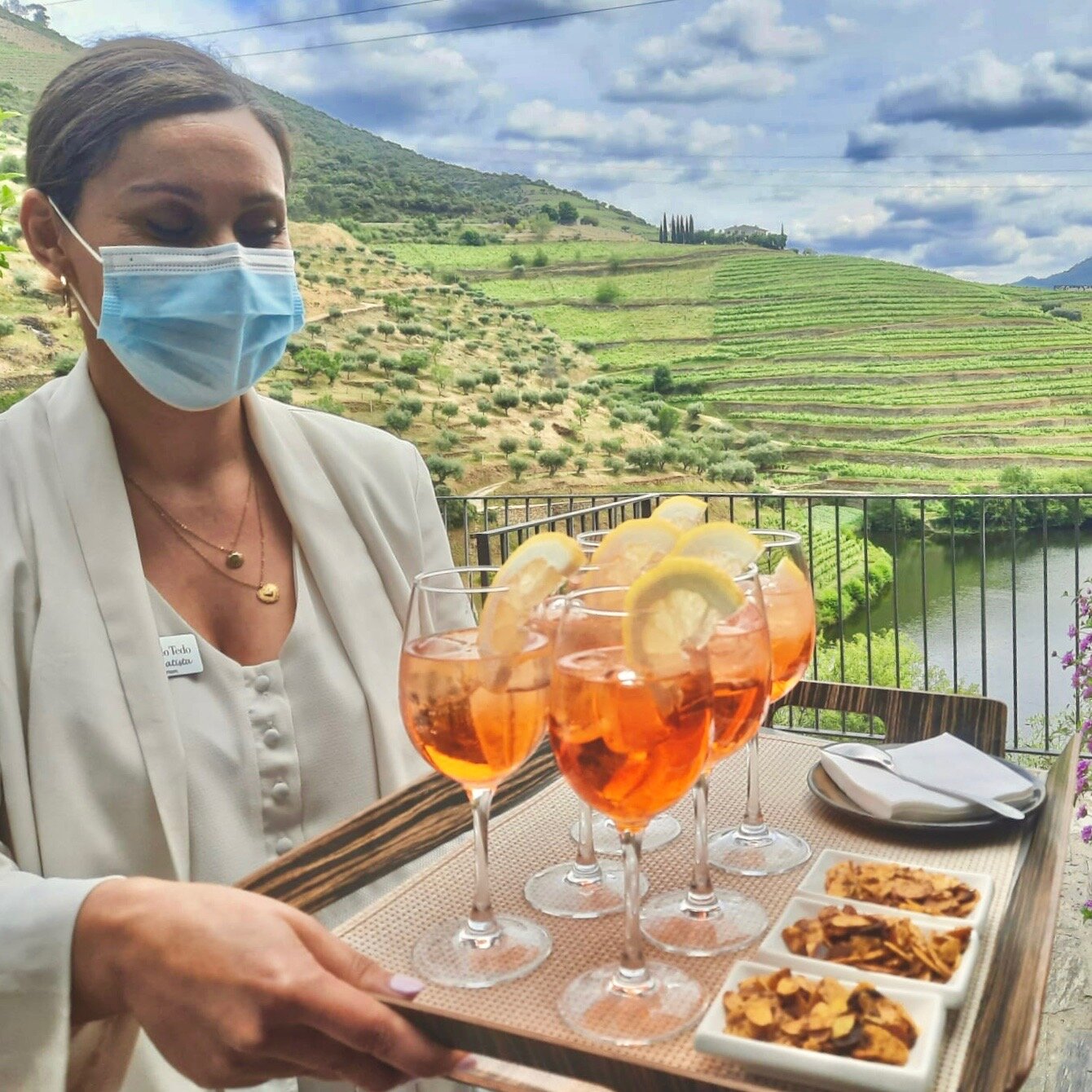
Le 13 mai, journée mondiale du cocktail, nous avons lancé au Bistro Terrace l'heure du cocktail au Porto tous les jours à partir de 18h. Nous avons fignolé notre sélection de cocktails au Porto pour que les clients puissent les déguster sur notre terrasse panoramique qui surplombe la rivière Tedo et depuis nous n'avons pas arrêté d'en boire !

Le Porto est en fait une libation extrêmement adaptable qui a parcouru un long parcours depuis qu'elle a été limitée pour le plaisir des hommes pour finir un repas avec du fromage ou du chocolat, comme cela a été la coutume en Angleterre pendant des siècles. 

Bien que nous soyons d'accord avec les traditionalistes pour dire que les vieux Tawnies, les Colheitas uniques, les LBV arrivés à maturité et les Vintages rares sont meilleurs dégustés seuls, légèrement frappés ou avec des plats appropriés qui ne leur dérobent pas leur splendeur, nous préconisons également des recettes diverses et créatives de boire les Portos d'entrée de gamme blancs, rosés, jeunes Ruby et Tawny.

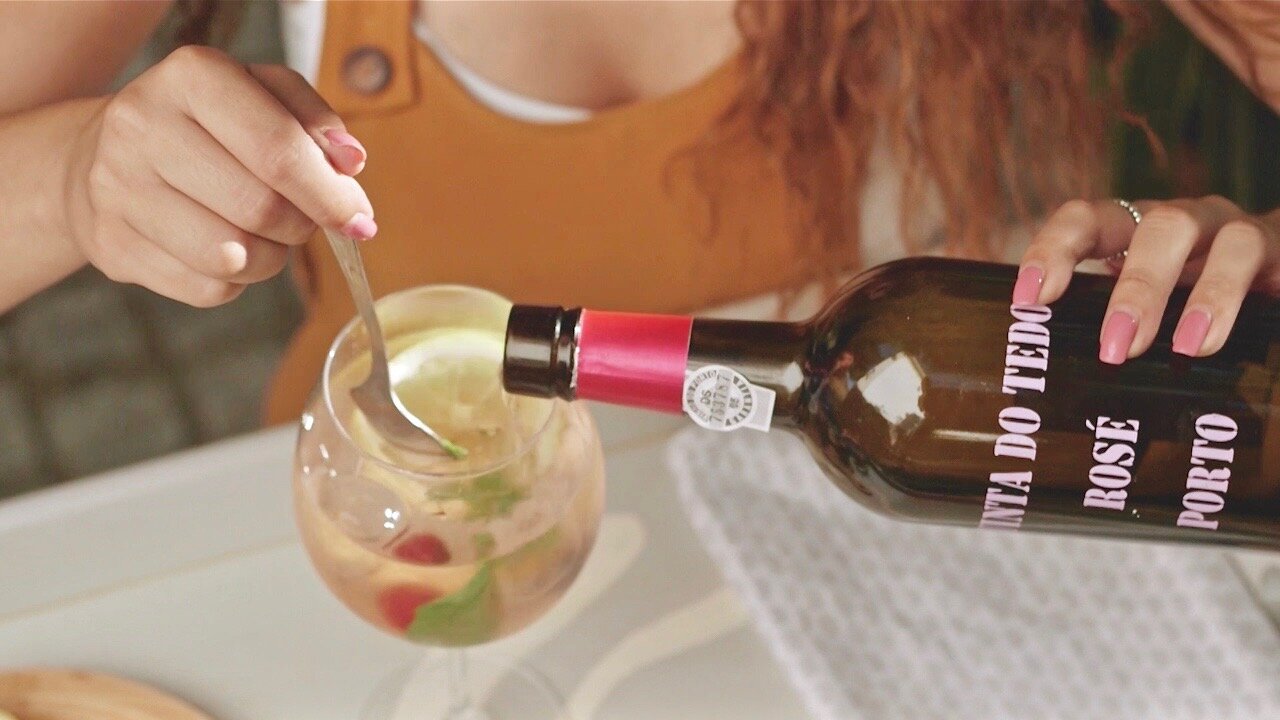
Odile a conçu le Porto Rosé Shrub à l'occasion d'un atelier virtuel sur les cocktails à base de Porto qu'elle a organisé en mars.

Odile a conçu le Porto Rosé Shrub à l'occasion d'un atelier virtuel sur les cocktails à base de Porto qu'elle a organisé en mars.

Par exemple, sous forme de cocktail ! Les bulles peuvent faire ressortir les arômes aux touches les plus nuancées du Porto, les acides peuvent équilibrer la douceur soyeuse du Porto, les herbes et les fruits peuvent renforcer le caractère frais et fruité du Porto.

La culture des cocktails est apparue aux États-Unis au milieu des années 1600. Le punch était la version la plus ancienne, la plus abordable et la plus polyvalente d'une boisson mélangée, des groupes qui se réunissaient après le travail pour siroter dans de grandes jattes communes, généralement servie à température ambiante (seule la bourgeoisie pouvait s'offrir de la glace !)

Les cocktails sont devenus plus individualistes à partir des années 1800. C'est dans les bars new-yorkais en plein essor qu'apparaissent les premières références aux "cocktails" et aux "barmen", le Golden Ratio 2-1-1 (2 volumes d'alcool pour 1 volume d'acidifiant et 1 volume d'édulcorant) et le premier guide d’élaboration des cocktails, publié en 1862.

Jerry Thomas, le parrain new-yorkais de la mixologie qui a publié le premier guide de préparation des cocktails.

Jerry Thomas, le parrain new-yorkais de la mixologie qui a publié le premier guide de préparation des cocktails.

Au début des années 1900, la prohibition a fait entrer les cocktails dans la clandestinité et les barmen ont expérimenté les "sours", dans lesquels un composant acide très fort était utilisé pour masquer le goût âpre et l'intégrité douteuse des spiritueux illégaux. Le Fine Tawny Sour de Quinta do Tedo utilise des citrons d’essence Meyer issus de notre domaine, pour donner une touche d'agrume plus délicate qui contraste élégamment avec le sucré du Porto, au lieu de le submerger.

Entre les années 1600 et 1900, la tendance des cocktails s’est propagée en dehors des États-Unis et a évolué à travers le monde, notamment en Angleterre, où le « shrub acidulé » est né d'une concoction à base de fruits riches en vitamines, conservés dans du vinaigre qui était utilisée pour traiter le scorbut sur les navires dans les années 1400. Les Américains ont adapté cette recette dans les années 1800. Ils retiraient les fruits du vinaigre, qui était mélangé avec un édulcorant et de l'eau pétillante dans une boisson rafraîchissante ou dans un cocktail (comme le Porto Rosé Strawberry Shrub de Quinta do Tedo).

Les troupes anglaises en Inde prenant leur dose quotidienne de quinine pour prévenir la malaria.

Les troupes anglaises en Inde prenant leur dose quotidienne de quinine pour prévenir la malaria.

Les Anglais ont également introduit le gin tonic classique en provenance d'Inde dans les années 1800. La quinine, un extrait de l'écorce de quinquina qui permettait de traiter la très répandue malaria, donne à l'eau tonique son goût amer que les officiers anglais trouvaient trop intense. Ils ont ajouté du gin (et finalement du sucre et du citron) pour le rendre plus agréable au goût. 

Remplacez le gin par du Porto blanc et vous obtenez un Tonic au Porto. Cette création anglaise, plus moderne des années 1900, est devenue la version du Porto de l'Aperol Spritz vénitien. Elle a fait découvrir à la jeunesse une façon fraîche et légère de consommer, ce qui était autrement considéré comme une boisson traditionnelle réservée aux grands-parents et aux fêtes de Noël.

On boit des Port Tonics à tout moment et en tout lieu (plages, bars, festivals, boîtes de nuit, avant, pendant et après les repas) ; ils sont rafraîchissants, peu alcoolisés, naturellement sucrés et très savoureux !

Joseph s'est arrêté dans notre "salle de dégustation urbaine" à Régua pour boire un Porto Rosé Tonic rafraîchissant après une longue balade à vélo !

Joseph s'est arrêté dans notre "salle de dégustation urbaine" à Régua pour boire un Porto Rosé Tonic rafraîchissant après une longue balade à vélo !

Des centaines d'autres types de cocktails à base de Porto ont pris la suite du Port Tonic. Il n'est pas nécessaire de trop modifier le Porto, ni de le mélanger à trop d'ingrédients pour créer un cocktail facile, élégant et qui plaît à tout le monde. Maintenant, commençons à mixer les favoris de Quinta do Tedo !

Le Porto Rosé Tonic est facile, pur et intemporel.

  • Mélangez 2 volumes de Porto Rosé avec 1 volume de Gin et un zeste de citron vert ou de citron dans un verre ballon ou à vin (le large bol permet de libérer les arômes délicats du Porto Rosé).

  • Ajoutez quelques baies et faites-les macérer si vous souhaitez en extraire davantage de couleur et de saveur. Si vous n'avez pas de baies fraîches ou congelées, vous pouvez utiliser de la confiture !

  • Ecrasez quelques feuilles de menthe entre vos mains pour libérer tout leur potentiel aromatique et déposez-les dans le verre avec quelques gros glaçons (qui fondent plus lentement et ne diluent pas aussi vite les saveurs de votre cocktail).

  • Remplissez le verre avec 3 volumes de tonic (ou 2 volumes de tonic et 1 volume d'eau gazeuse, si vous l'aimez moins sucré) et remuez doucement.

  • Décorez d'une rondelle de citron et voilà, savourez !

Le Fine Tawny Sour est riche, équilibré et intense.

  • Mélangez 2 volumes de jus de citron avec 2 volumes d’un simple sirop et 1 volume de Whisky dans un shaker avec de la glace et filtrez dans un verre à eau ou dans un verre à pied d’un autre âge.

  • Placez-y un gros glaçon et un zeste de citron ou d'orange.

  • Placez une cuillère de bar au-dessus du liquide (assurez-vous qu'elle touche la surface !) et versez lentement 1 part de Porto sur son dos.

  • La technique de la superposition :

  • Le simple sirop dense et la température froide du mélange de base sont essentiels pour obtenir un effet réussi de superposition grâce auquel le Porto flotte à la surface du cocktail.

  • Le simple sirop :

  • Le simple sirop est normalement composé à part égale de sucre et d'eau, mais nous faisons cuire 2 volumes d'eau pour 1 volume de sucre avec du gingembre frais pendant 20 minutes, jusqu'à ce qu’il épaississe, pour donner au sirop une saveur plus riche, plus caramélisée, infusée au gingembre.

  • Essayez d'infuser votre simple sirop avec d'autres saveurs (cardamome, cannelle, grains de poivre, thé, écorce d'agrumes, fruits... les possibilités sont infinies !)

Le Porto Rosé Shrub aux fraises est acidulé, fruité et utilise des ingrédients essentiels du cellier :

  • Faites macérer à parts égales du sucre blanc et des fraises (ou toutes autres baies fraîches ou surgelées) avec des zestes de citron pendant quelques heures.

  • Faites macérer quelques brins de lavande dans du vinaigre de vin blanc pendant quelques heures.

  • Retirez les fruits entiers du sirop de baies (vous pouvez parsemer les baies sur de la crème glacée pour le dessert !) et la lavande du vinaigre.

  • Mélangez 1 volume de vinaigre de lavande dans 1 volume de sirop de fraises-citron.

  • Conservez le shrub au réfrigérateur jusqu'à un mois (il constitue également une boisson rafraîchissante sans alcool lorsqu'il est mélangé à de l'eau gazeuse !)

  • Mélangez 2 volumes de Porto Rosé avec 4 volumes de bulles (tonic ou eau pétillante) et 1 volume de shrub dans votre grand verre à eau ou votre highball.

  • Remplissez le verre de glaçons et décorez-le avec une rondelle de citron et un brin de lavande.

Le Porto Rosé Strawberry Shrub, le plus nouvel ajout à la liste des cocktails servis au Bistro Terrace, est juteux et avec une amertume équilibrante; il peut être préparé avec n'importe quel fruit de saison en remplacement des fraises !

Le Porto Rosé Strawberry Shrub, le plus nouvel ajout à la liste des cocktails servis au Bistro Terrace, est juteux et avec une amertume équilibrante; il peut être préparé avec n'importe quel fruit de saison en remplacement des fraises !

Ces journées plus ensoleillées, plus chaudes et plus longues appellent des libations amusantes et fraîches ; nous vous suggérons fortement de faire des réserves de Porto et de découvrir de nouvelles façons de savourer ce produit spécial avec vos amis et votre famille cet été. 

Partagez avec nous vos recettes et photos préférées de cocktails au Porto en taguant @quintadotedo sur Instagram ou en les envoyant à odile@quintadotedo. Quinta do Tedo présentera vos recettes sur les médias sociaux et, peut-être, au Bistro Terrace cet été.

Notre Super Fan de Tedo, de la ville de Calistoga en Californie, Gretchen De Lemur, a partagé avec nous sa recette d'un Sparkler (cocktail pétillant) Porto Rosé Grenade pur, léger et rafraîchissant. Essayez-le !  

  • 60 ml de jus de grenade

  • 60 ml de jus de citron Meyer

  • 30 ml de vodka

  • 90 ml de Porto Rosé Quinta do Tedo

  • 120 ml d'eau gazeuse

  • 5 ml d'orange amère

  • 6 feuilles de menthe broyées

  • 1 tranche de citron Meyer (ou orange sanguine ou graines de grenade fraîches)

N'oubliez pas que les meilleurs cocktails sont simplement composés d'une quantité équilibrée d'ingrédients de bonne qualité qui se marient bien ensemble. 

Joyeux cocktails de Portos et bom proveito à vous tous !

Port Cocktails all summer long!

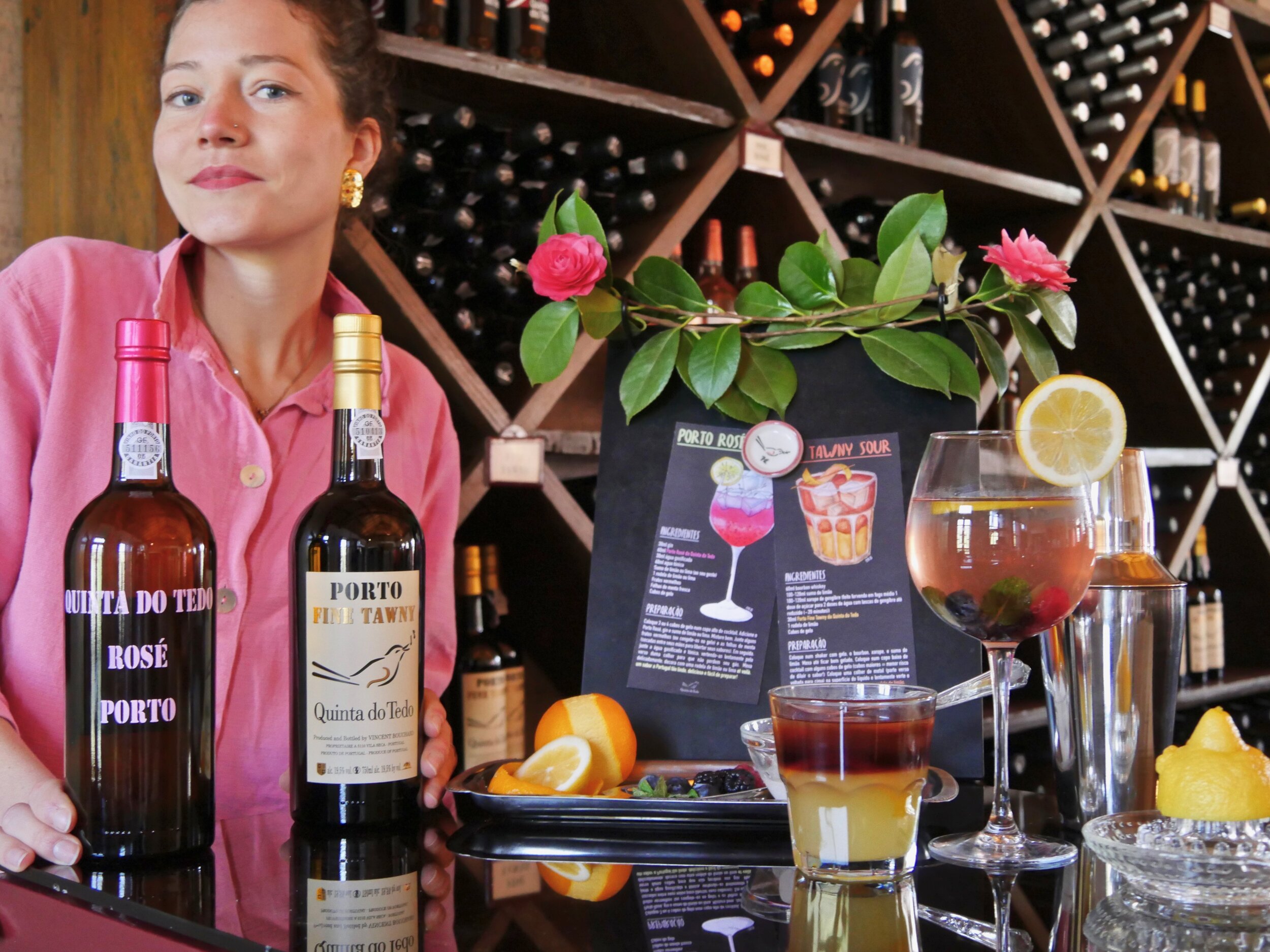
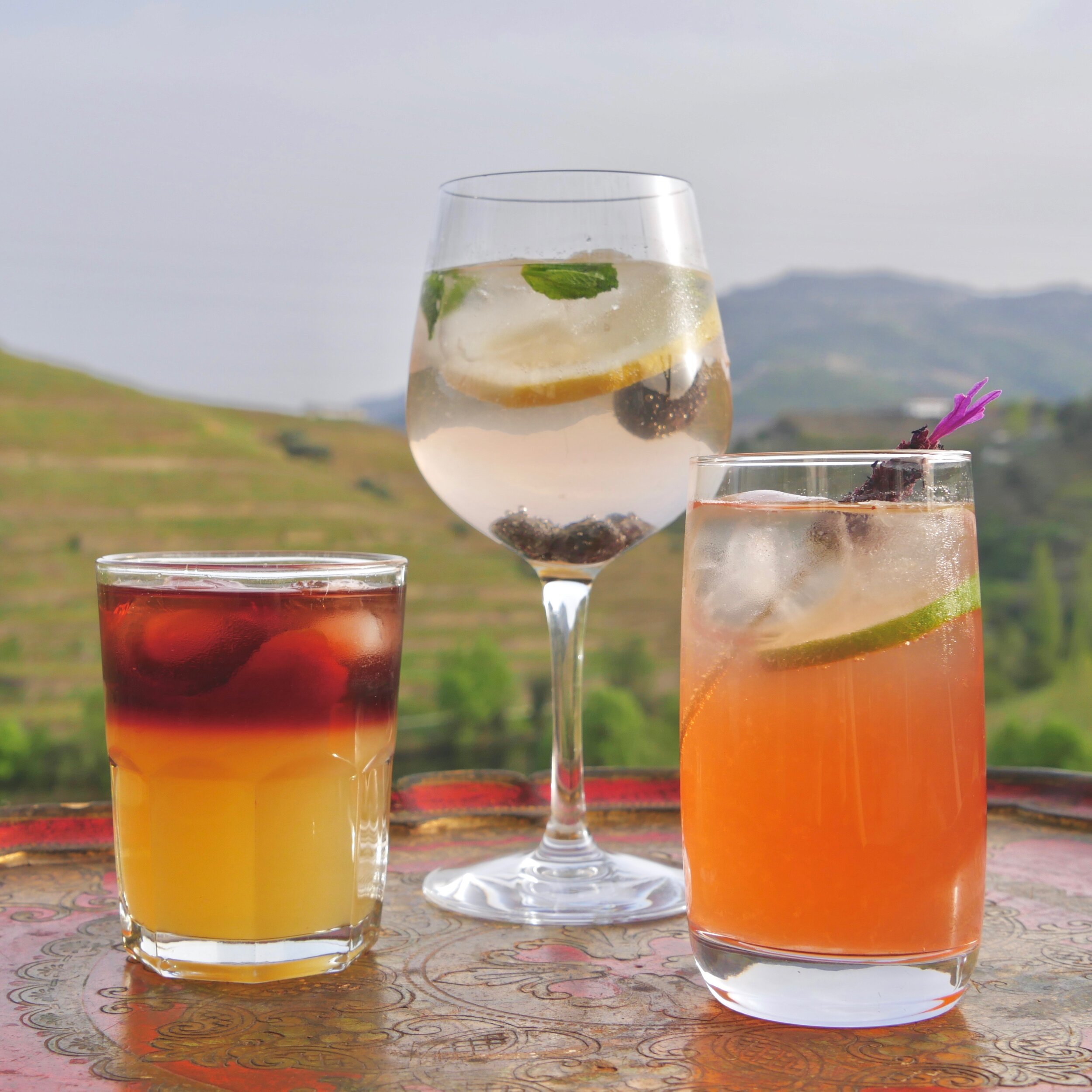
On May 13th, World Cocktail Day, we launched Port Cocktail Hour every day from 18h onwards at Bistro Terrace. We refined our selection of Port cocktails for guests to enjoy on our panoramic terrace overlooking Tedo River and we haven’t stopped drinking them since!

Port is actually an extremely versatile libation that has come a long way from being limited to men’s enjoyment at the end of a meal with cheese or chocolate, as was English custom for centuries. 

While we agree with traditionalists that old Tawnies, unique Colheitas, mature LBVs and rare Vintages speak best on their own, slightly chilled or with appropriate food that does not steal from their splendour, we also advocate for diverse and creative ways to drink entry-level white, rosé, and young Ruby and Tawny Ports.

Odile came up with the Porto Rosé Shrub for a virtual Port Cocktail Workshop she hosted in March.

Odile came up with the Porto Rosé Shrub for a virtual Port Cocktail Workshop she hosted in March.

For example, in cocktail form! Bubbles can coax out Port’s most nuanced aromas, acids can balance Port’s sweetness, and herbs and fruit can enhance Port’s fresh and fruity character.

Cocktail culture emerged in the US in the mid-1600s. Punch was the earliest, most affordable and versatile iteration of a mixed drink which groups would gather after work to sip from large, communal bowls usually served at room temperature (only the bourgeoisie could afford ice!) 

Cocktailing became more individualistic from the 1800s onwards. From New York’s booming bar scene emerged the first references to “cocktails” and “bartenders”, the 2-1-1 Golden Ratio (2 parts booze to 1 part souring agent to 1 part sweetener) and the first guide to cocktail making, published in 1862.

Jerry Thomas, New York’s godfather of mixology who published the first guide to cocktail making.

Jerry Thomas, New York’s godfather of mixology who published the first guide to cocktail making.

In the early 1900s, prohibition sent cocktails underground where barmen experimented with sours by which a very strong acid component was used to cover up the harsh flavour and questionable integrity of illegal spirits. Quinta do Tedo’s Fine Tawny Sour uses Meyer lemons from our estate to lend a more delicate citrus kick that elegantly contrasts rather than overpowers the sweet Port.

Between the 1600s and 1900s, the cocktail trend took off outside the US and evolved across the world, especially in England, where the tangy shrub was born from a base concoction of vitamin-rich fruit preserved in vinegar that was used to treat scurvy on ships in the 1400s. Americans adapted this recipe in the 1800s. They strained the fruit from the vinegar, which was mixed with a sweetener and sparkling water in a refreshing soft-drink or cocktail (like Quinta do Tedo’s Porto Rosé Strawberry Shrub). 

English troops in India taking their daily dose of Quinine to prevent malaria.

English troops in India taking their daily dose of Quinine to prevent malaria.

The English also introduced the classic gin and tonic from India in the 1800s. Quinine, an extract from cinchona bark that helped treat widespread malaria, gives tonic water its bitter taste which English officers found too intense. They added gin (and eventually sugar and lemon) to make it more palatable. 

Replace gin with white Port, and you get a Port Tonic. This more modern English creation from the 1900s has become Porto’s version of Venice’s Aperol Spritz. It introduced youth to a fresh and light way of consuming what was otherwise seen as a traditional drink reserved for grandparents and Christmas celebrations.

We drink Port Tonics at any time and in any place (beaches, bars, festivals, nightclubs, and before, during and after meals); they’re refreshing, low in alcohol, naturally sweet and pack a lot of flavour! 

Joseph stopped by our urban tasting room in Régua for a refreshing Porto Rosé Tonic after a long bike ride!

Joseph stopped by our urban tasting room in Régua for a refreshing Porto Rosé Tonic after a long bike ride!

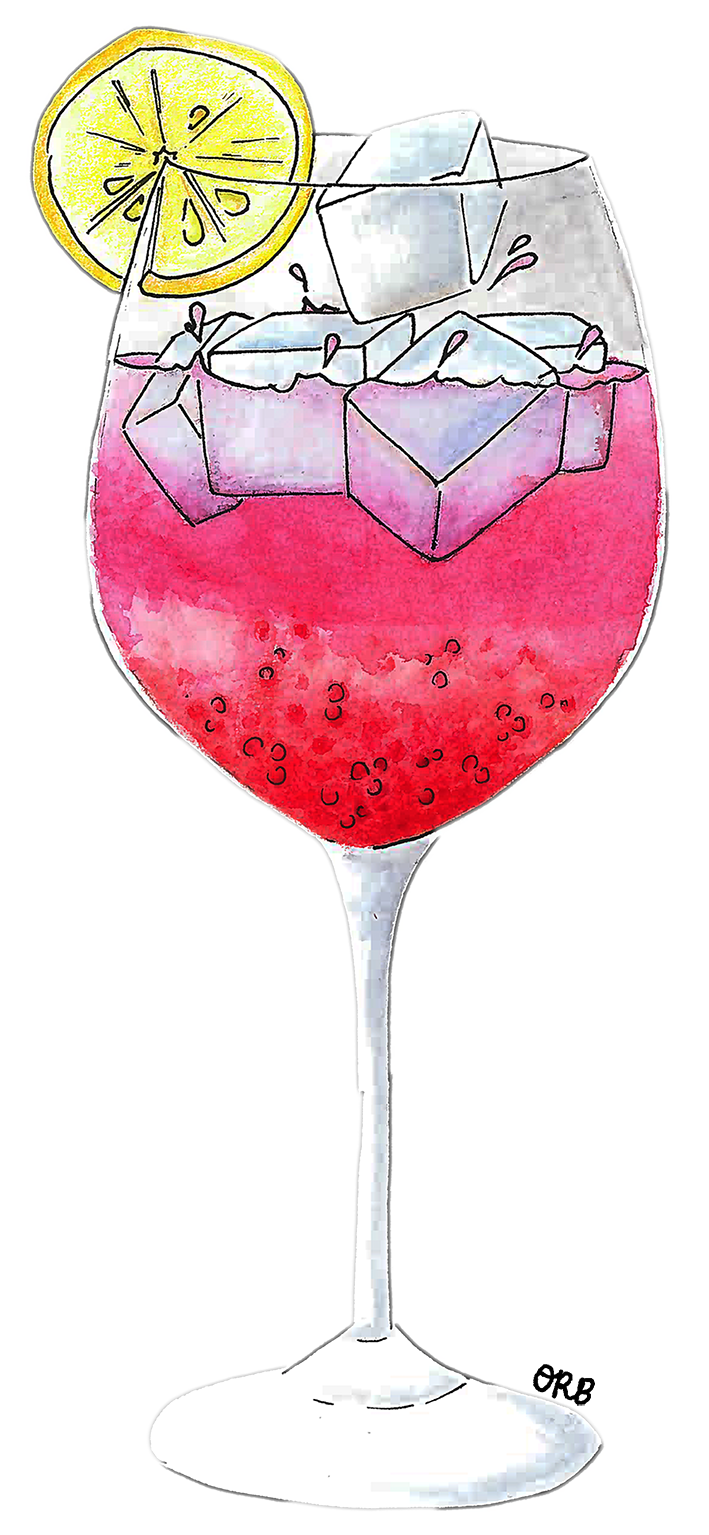
Porto Rosé ilustration.png

Hundred of other kinds of Port cocktails have followed the Port Tonic. Port need not be tampered with too much, nor mixed with too many ingredients to create an easy, elegant and certified crowd-pleasing cocktail. Now, let’s get mixing Quinta do Tedo’s favourites!

The Porto Rosé Tonic is easy, clean and timeless.

  • Mix 2 parts Porto Rosé with 1 part Gin and a squeeze of lime or lemon in a balloon or wine glass (the wide bowl helps release the Porto Rosé’s delicate aromas).

  • Add some berries and macerate if you’d like to extract more of their colour and flavour. If you don’t have fresh or frozen berries you can use jam!

  • Smack a few mint leaves between your hands to release their full aromatic potential and drop them into the glass with a few large ice cubes (which melt slower and won’t dilute your cocktail flavours so fast).

  • Fill the glass with 3 parts tonic (or 2 parts tonic and 1 part sparkling water, if you like it less sweet) and give it a gentle stir. 

  • Garnish with a slice of lime and voilà, enjoy!

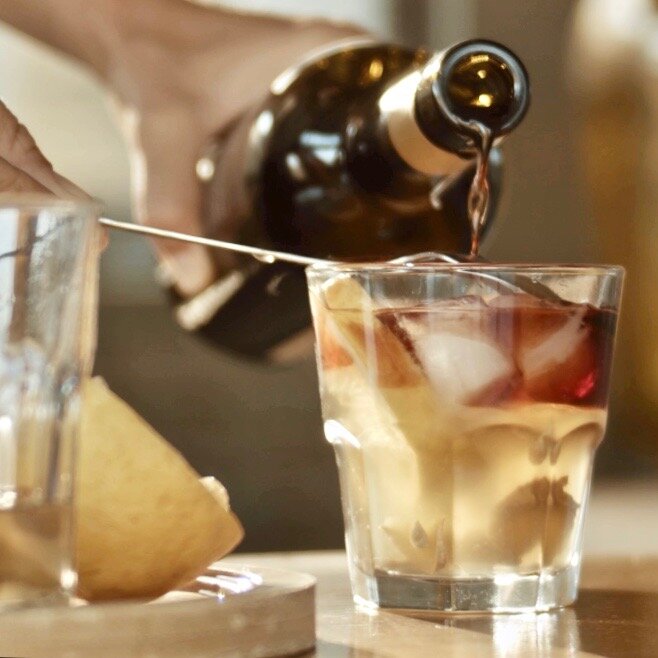
Fine Tawny Sour illustration.png

The Fine Tawny Sour is rich, balanced and intense.

  • Mix 2 parts lemon juice with 2 parts simple syrup and 1 part Whisky in your shaker with ice and strain into your old-fashioned or short water glass.

  • Plop in a large ice cube and a strip of lemon or orange peel.

  • Hover a bar spoon over the liquid (make sure it’s touching the surface!) and slowly pour 1 part Port over its back.

  • The layering technique:

    • The dense simple syrup and cold temperature of the base mixture are crucial to achieving a successful layering effect by which the Port floats on the surface of the cocktail.

  • The simple syrup:

    • Simple syrup is normally equal parts sugar to water, but we cook down 2 parts water to 1 part sugar with fresh ginger for 20 minutes until thick to give the syrup a richer, more caramelized flavour infused with ginger. 

    • Try infusing your simple syrup with other flavours (cardamom, cinnamon, peppercorns, tea, citrus rind, fruits… the sky's the limit!)

The Porto Rosé Strawberry Shrub is tangy, fruity and uses pantry essentials:

  • Macerate equal parts white sugar and strawberries (or any fresh or frozen berries) with lemon zest for a few hours.

  • Macerate a few lavender sprigs in white wine vinegar for a few hours.

  • Drain the fruit solids from the berry syrup (you can spoon the berries over ice cream for dessert!) and the lavender from the vinegar.

  • Whisk 1 part lavender vinegar into 1 part strawberry-lemon syrup.

  • Store the shrub in the fridge for up to a month (it also makes for a refreshing non-alcoholic drink when mixed with sparkling water!)

  • Combine 2 parts Rosé Port with 4 parts bubbles (tonic or sparkling water) and 1 part shrub into your highball or tall water glass.

  • Fill the glass with ice cubes and garnish with a slice of lime and lavender sprig.

The Porto Rosé Strawberry Shrub, the newest addition to list of cocktails served at Bistro Terrace, is juicy, tart and can be made with any seasonal fruit substitute to strawberries!

The Porto Rosé Strawberry Shrub, the newest addition to list of cocktails served at Bistro Terrace, is juicy, tart and can be made with any seasonal fruit substitute to strawberries!

These sunnier, warmer, longer days call for fun and fresh libations; we highly suggest you stock up on your Port stash and discover new ways to enjoy this special product with friends and family this summer. 

Share your favourite Port cocktail recipes and photos with us by tagging @quintadotedo on Instagram or sending them to odile@quintadotedo. Quinta do Tedo will feature your recipes on social media and, perhaps, at Bistro Terrace this summer. 

Our Tedo Super Fan from Calistoga, California, Gretchen De Lemur, shared with us her recipe for a clean, light and refreshing Porto Rosé Pomegranate Sparkler. Give it a try!  

  • 60 ml pomegranate juice

  • 60 ml Meyer lemon juice

  • 30 ml vodka

  • 90 ml Quinta do Tedo Porto Rosé

  • 120 ml sparkling water

  • 5 ml orange bitters

  • 6 “spanked” mint leaves

  • 1 slice of Meyer lemon (or blood orange or fresh pomegranate seeds)

Remember, the greatest cocktails are simply made from a balanced amount of good quality ingredients that pair well together. 

Happy Port cocktailing and bom proveito you all!

Today’s certified organic vineyards need a good Viticulture Manager!

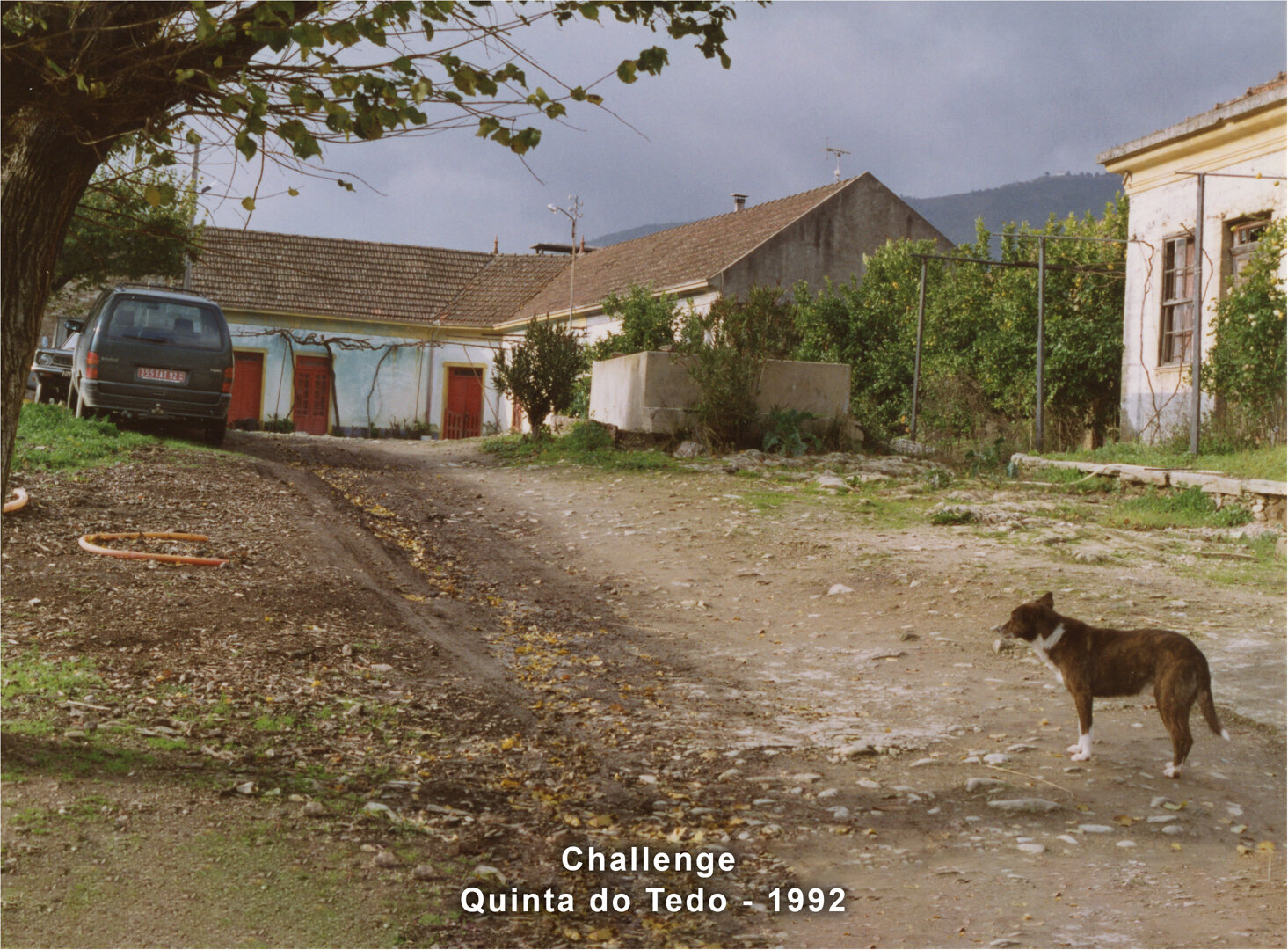
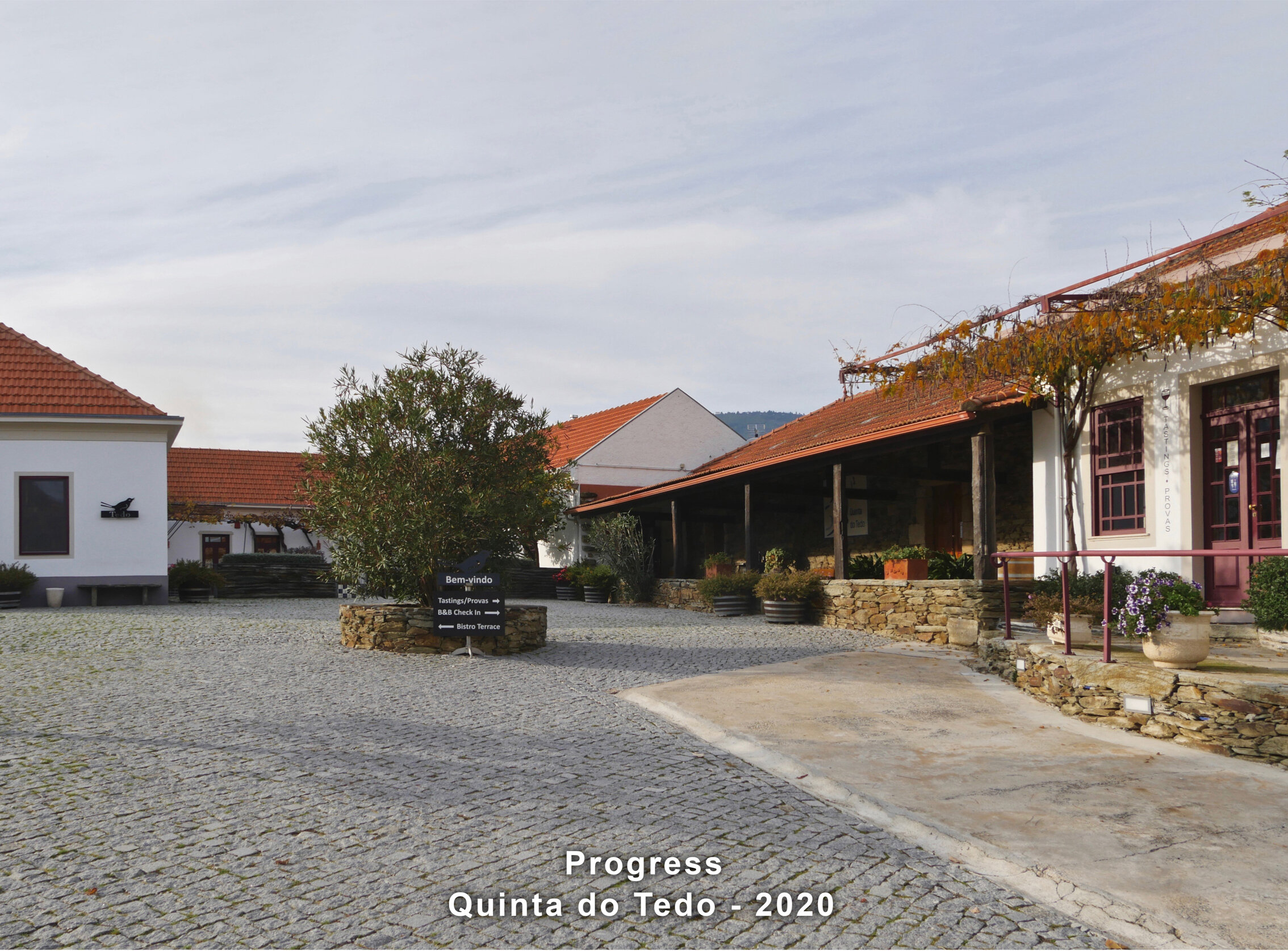
In a recent interview for Quinta do Tedo’s long-feature film (to be released in April!), Vincent reflects on the beauty of Douro Valley that attracted him and Kay to buy Quinta do Tedo in 1992. He then hesitates before recalling the “garbage-like” state the property and its surroundings were in back then.

Living most of the year in water-scarce Northern California where a dynamic environmental movement has been underway since the 60s, sustainability has always been ingrained in our Bouchard family values to live and work by anywhere in the world. However, Portugal in the early 90s still resembled a developing country and the push to go-green was seen more in line with governmental legislation than each individual’s responsibility.

fam back then.jpg

So, to set an example without stepping on the cultural norms of the country we were so warmly welcomed into, my parents “used” my brothers’ and my youthful servitude on the weekends to pick sardine cans, cigarette packs, plastic bags, food wrappers and even refrigerators off the roadsides around Quinta do Tedo. 

Paolo, Joe and I were 8, 4 and 6 years old and dressed in yellow rain jackets to protect us from Spring showers and potential accidents with Sunday church-goers, some of whom slowed down, looking perplexed, or even stopped to ask what the heck we were doing? 

We were simply, although perhaps not so discreetly, nurturing sustainability into the ethos of our family business, Quinta do Tedo.

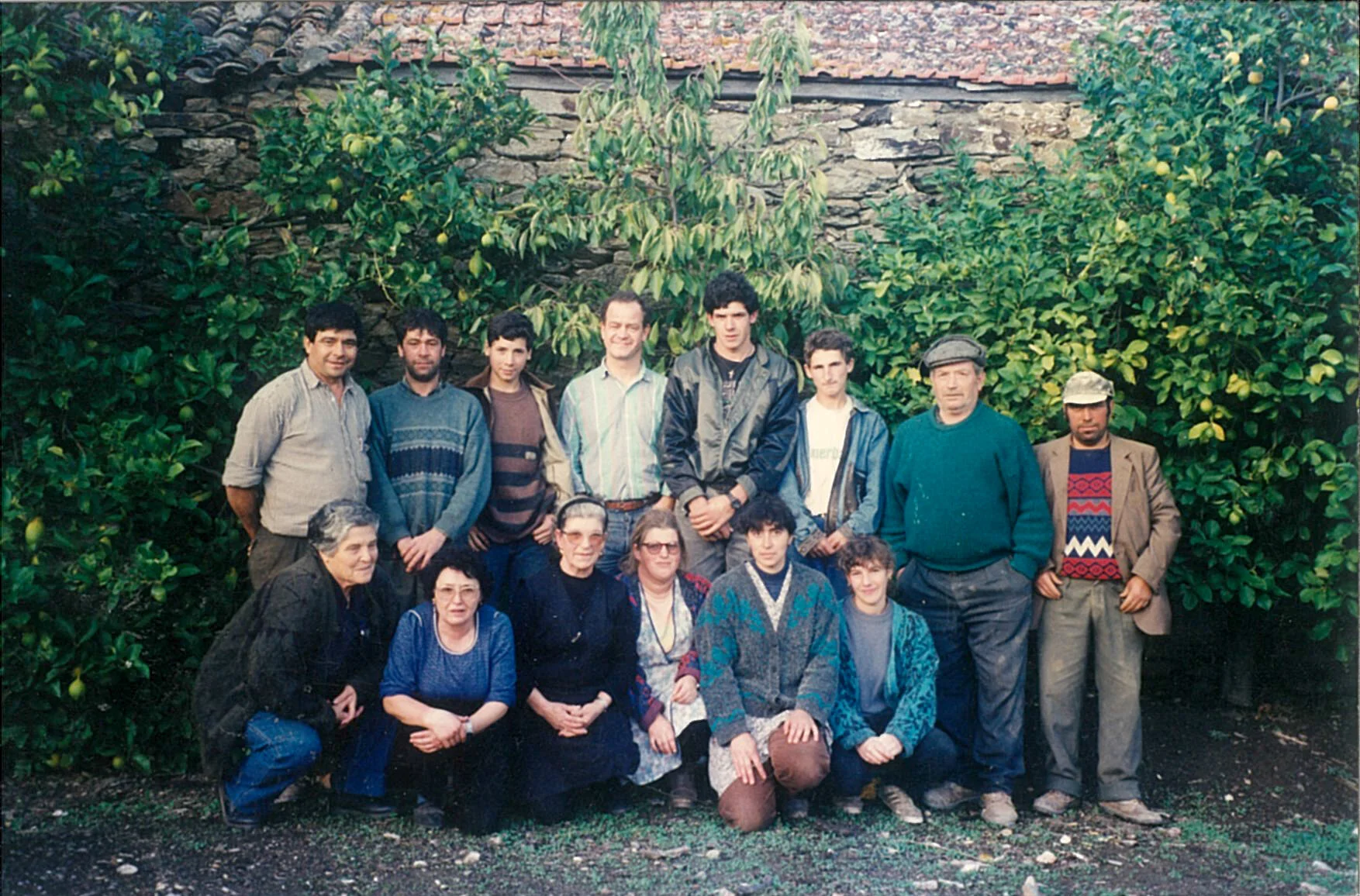
Over the years, we continued to work with locals (two of whom are still part of our essential vineyard team), improve their work conditions, clean up the estate and grow our own produce to cook for our team. We eventually installed a water recycling unit, registered our land and the Tedo River as an Ecological Reserve, and, in 2009, invested in the three-year conversion of our 14 ha of vineyards to Certified Organic.  

team back then.jpg

However, as the quality of organic wines 15 years ago was considered inconsistent or even compared to vinegar by more disparaging traditionalists, we modestly described our vineyards as “traditionally-farmed with minimal intervention”. After all, that was how Douro Valley’s steep, narrow, terraced vineyards were historically cultivated - by hand and without chemical pesticides, herbicides or fertilizers many farmers could not afford. 

Vincent recalls growing organic grapes in Douro Valley’s hot, arid climate was not so hard, compared to other more humid wine regions. Here, rainfall is concentrated in the winter when the dormant vines are protected, soils have good filtration, native grapes varieties’ roots grow deep to procure their own water, and strong afternoon winds minimize humidity and the pests and diseases it can nurture.

Fast-forward 10 years from 2011, when Quinta do Tedo’s vineyards officially became Certified Organic, things are different. Namely, the climate is less predictable, with shorter, wetter winters and longer, hotter summers. Needing to adapt for the long-term, we decided not to hire a Weather God nor Climate Engineer, but Angelo Ribeiro - our new Viticulture Manager! 

Screen Shot 2021-03-27 at 2.31.04 AM.jpg
P1350644.jpg

Angelo comes from nearby Barcos, studied Viticulture and Enology in Viseu, has completed two harvests at Quinta Nova da Nossa Senhora do Carmo (just opposite Douro River from us) and, while finishing his Agricultural Engineering degree, started his career at Quinta do Tedo. 

Angelo says “the whole process of growing great grapes starts with good pruning” (his pet vineyard task). He and our vineyard team saved pruning the vines in Tedo’s hottest and driest microclimates for last. This will delay their vegetative regrowth to ensure their grapes mature along the same timeline as those from vines that grow slower in Tedo’s cooler microclimates.

“We’ve also just finished replanting nearly 4,000 new Touriga Franca and Tinta Roriz “feet”, grafted onto a specific rootstock that is well-adapted to Tedo’s dryer, rockier soils”, Angelo says. He adds that “it is arguably more important to choose the right rootstock than grape variety to ensure the vine’s long-term viability in the microclimate where it is planted.” 

While Angelo loves working old vines (for example, Tedo’s 0.5 ha Savedra parcel that is 65+ years old and composed of 24+ varieties), his favourite grape variety is Touriga Nacional - “perhaps the most unruly to train in the vineyard, but when done right, it adds some of the most feminine and complex layers to Tedo’s Douro DOC Red Wines and Vintage Ports”.

Angelo admitted that he saw “terroir” more as a cliché marketing term until he came to Tedo. Guided by our terroir-driven winemaker, Jorge Alves, through our small estate’s wonderful diversity of microclimates and microterroirs, Angelo has come to appreciate the true meaning of “terroir” firsthand. 

“Every parcel needs to be treated differently, as every year needs to be treated differently, especially in organic vineyards”, Angelo says. He walks our vineyards every day and is an invaluable resource in making quick and important decisions in response to ever-changing vineyard and climatic conditions.

IMG_4875.jpg

Angelo recalls “2017 was a very warm, dry year in Douro Valley, which immensely minimized vineyard pests and diseases, while 2018 was hot, humid and brought inconsistent rainstorms that complicated farmers’ decisions of when to spray their organic fungicide”. This copper-sulfate- lime mixture has been used since the 1800s to fight bacteria that could deplete an entire harvest, if uncontrolled.

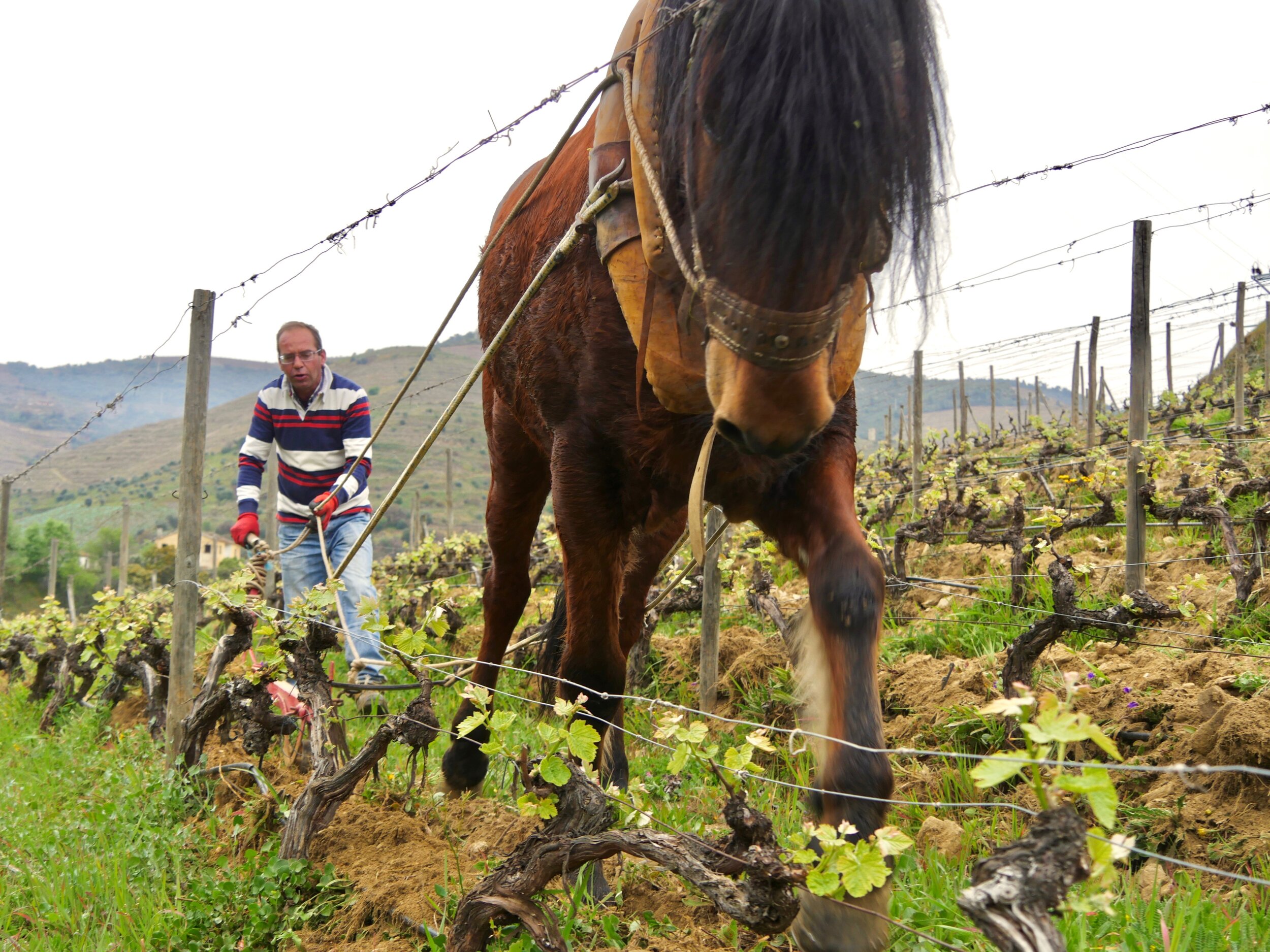
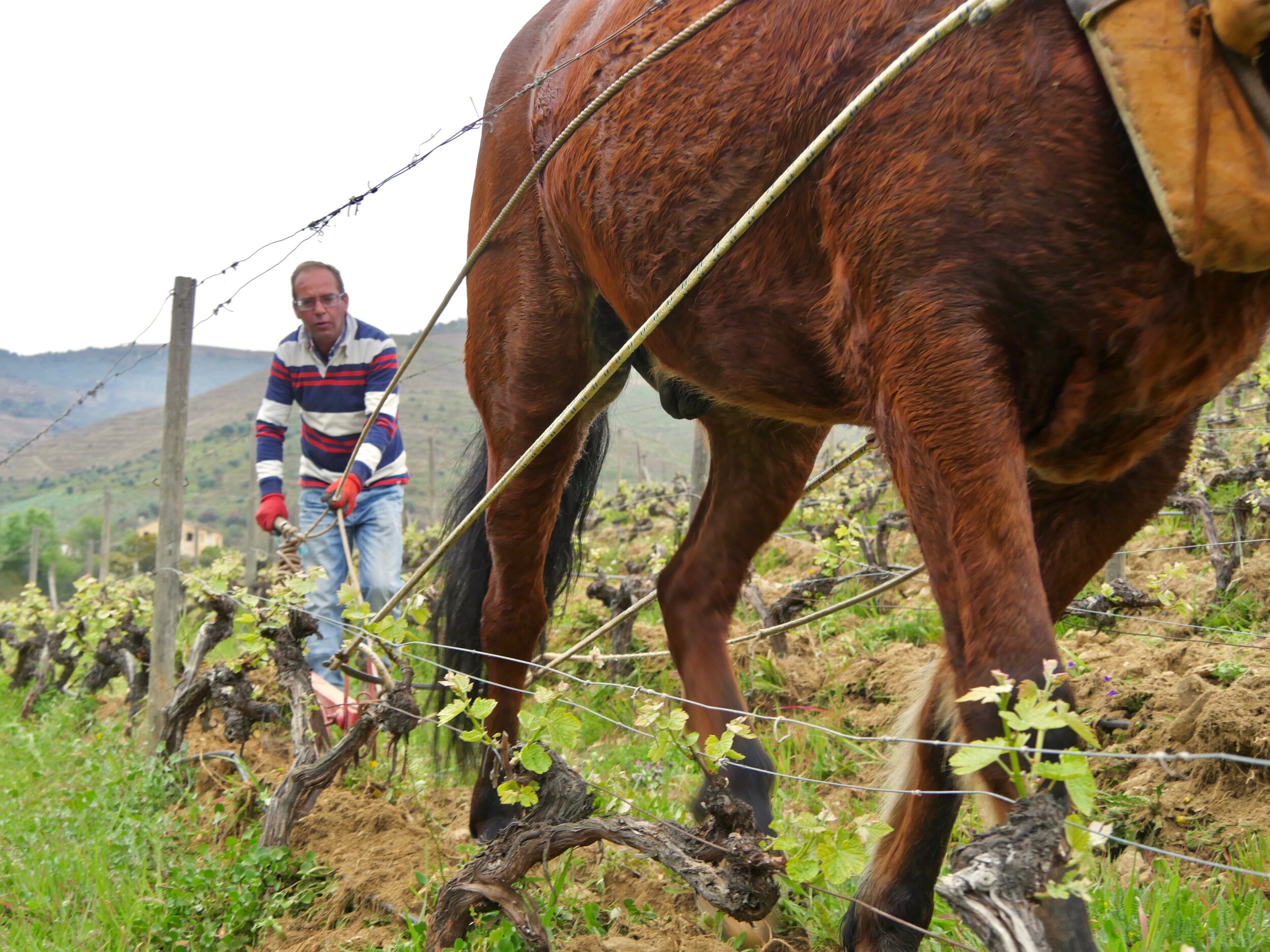
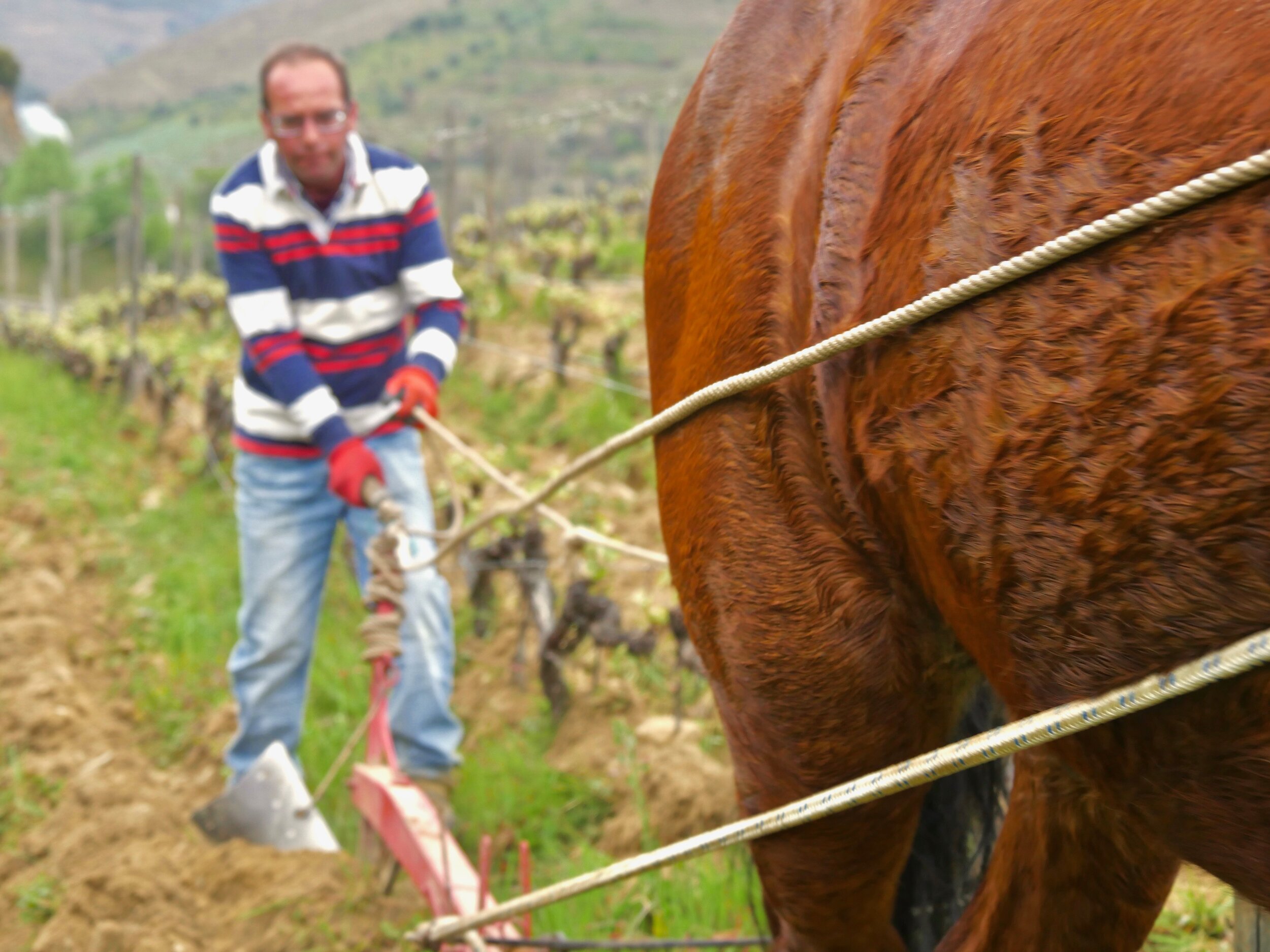
Speaking to Angelo between strong-growing vines under the bright morning sun, while Cariço (our motorless tractor that whinnies) and Felipe (aka “Horse Whisperer”) ploughed the soils, birds chirped and colourful wildflowers swayed in the background, I found it hard to fathom the future challenges our vineyards and livelihoods face. 

But, I rest assured our Team Tedo is now one-Viticulture-Manager-stronger to persevere in our commitment to sustainability for the long-term health of the environment and future generations.